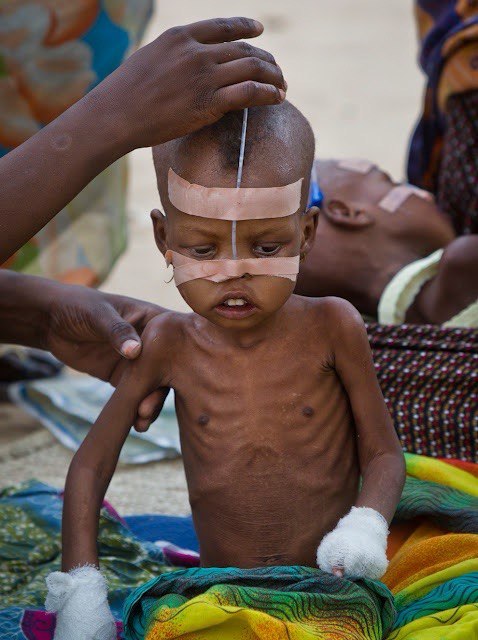
Food relief is a direct response to urgent vulnerability
Food relief remains one of the clearest forms of immediate humanitarian care. In many households, the challenge is not simply a lack of money or resources, but the pressure of an uncertain week where meals become difficult to plan and even harder to secure. In those moments, the need for practical nourishment is not abstract. It is urgent, visible, and deeply personal. At KingFab Foundation, food relief is delivered with the belief that every family deserves a basic sense of stability, even in the middle of hardship.
We understand that food support is not only about filling a bowl. It is about reducing panic, protecting health, preserving dignity, and helping families channel what little energy they have into children, work, education, and recovery rather than into constant worry. When a family can rely on support for a meal or a food package at the right time, they are given one less reason to feel abandoned. That sense of care is often the beginning of renewed resilience.
Relief therefore becomes an act of restoration. It does not simply remove hunger for a day; it can restore a family’s ability to function with less fear. This matters because hunger is not only a physical condition. It affects concentration, sleep, emotional balance, and the sort of long-term decision-making that families need when they are trying to recover.
The meaning of food security in a local context
Food security is not a distant policy language. It is about whether a child wakes up without hunger, whether a mother can prepare a meal for her household with some confidence, and whether a family can stop counting every single portion. In underserved areas, that pressure can become relentless. It can affect concentration, mood, sleep, and even the ability to pursue work or schooling. Food relief is therefore a practical intervention but also a psychological one: it tells families that they are not invisible, and that the community sees their immediate needs as something worthy of action.
Every relief exercise is also an opportunity to affirm value. The act of giving food to someone in need is more than a transaction. It communicates respect, compassion, and a refusal to accept avoidable hunger as normal. Our response is designed to be modest, humane, and dignified. We aim not only to support the body, but to comfort the spirit and restore a little sense of control in difficult circumstances.
This is why the most effective relief work lasts beyond the moment of the handover. It recognizes that no household should have to face chronic hunger alone, and that sustainable support means attending to both immediate needs and the conditions that keep those needs recurring. We remain committed to the idea that care is practical, consistent, and grounded in shared humanity.
The importance of this work becomes especially clear when communities are facing wider pressure such as inflation, unemployment, instability, or poor access to markets. In those conditions, food relief becomes not only a gesture of kindness but a safeguard against deeper deprivation and social harm.
From relief to recovery
A family that receives food assistance is not only being fed for the day. They are being given breathing room. That relief can create space for children to attend school more regularly, for adults to seek or retain work, and for households to recover a little of the emotional and financial stability they have lost. Food support has an immediate practical purpose, but it also strengthens the broader fabric of community recovery. A child who is nourished can focus. A parent who is not constantly worried about the next meal can plan their week more effectively. In this way, relief acts as a bridge between crisis and long-term resilience.
For KingFab Foundation, this is a core part of our humanitarian ethic. We do not only respond when society’s most vulnerable are already in collapse. We strive to be present before crisis becomes chronic, and we remain attentive to the fact that consistent care is often what transforms an emergency response into a lasting community promise. Hunger relief is one of the clearest signs that a community still values human life, human dignity, and the basic principle that no one should be left to carry deprivation alone.
It is also a reminder that everyday acts of care should never be treated as routine. A meal distribution can be a practical intervention, but it can also serve as a visible marker that the wider community still recognizes the worth of vulnerable families. That is why food relief remains one of the deepest expressions available to a charity devoted to restoring dignity, hope, and social steadiness.
Why the support must remain human-centered
The most humane relief programmes do more than move goods from one place to another. They recognize that families are not lists of numbers or abstract needs; they are people trying to protect their children, preserve their dignity, and make the best of difficult conditions. That is why KingFab Foundation’s food relief work is grounded in respect, discretion, and the understanding that practical support is strongest when it also communicates care. When people feel respected during a time of vulnerability, they are more likely to remain connected to the broader promise of recovery.
Relief work is also a form of local social trust-building. When households receive support that is responsive and consistent, they begin to see what a caring community can look like in real life. This shapes not only immediate wellbeing, but also broader confidence in the possibility of social solidarity. Hunger relief, done correctly, becomes part of the foundation for collective resilience.
That is the standard we hold. We want our food relief work to be remembered not simply for feeding people in the moment, but for restoring faith that a humane response to hardship still exists. In that way, the meal becomes more than a meal. It becomes a statement that no one is forgotten.
Response, dignity, and shared responsibility
Food relief programmes are most effective when they are guided by a principle that is often overlooked: that meeting immediate need is also an act of social responsibility. Communities are shaped not only by their structures and systems, but by how they respond when families face instability. When an institution like KingFab Foundation shows up with practical aid, it reminds the whole community that nobody has to face hunger alone. That creates a warmer social atmosphere in which people become more willing to look after one another in future moments of need.
This is also why food relief cannot be reduced to a purely logistical exercise. The dignity of the people served matters, as does the way support is delivered. A compassionate response turns a moment of crisis into a moment of trust. It tells households that they are respected members of the community and that their suffering has not been normalized. If charity is to remain meaningful, it must demonstrate both accuracy and humanity.
Over time, that approach influences how communities understand the role of relief itself. It becomes less about emergency exception and more about ordinary social care—care that is available when people need it most, without shame or bureaucracy. That is the stronger, more humane future toward which our work aims.
Food support as a foundation for stability
Hunger relief is often seen as a temporary intervention, but in reality it can be one of the strongest foundations for long-term recovery. Families that are provided consistent nourishment begin to regain the ability to think clearly, plan ahead, and protect their children’s wellbeing. That stability is essential because it allows households to move from emergency survival toward stronger decision-making. The simple act of providing food at the right time can therefore have a much larger social effect than the immediate metric of meals distributed suggests.
This is why KingFab Foundation remains intentional about the way food relief is delivered. We do not see hunger as a private failure or a one-time inconvenience. It is a social condition with real consequences for health, education, mood, and community trust. When a family receives dependable relief, they gain something beyond calories. They gain reassurance that the system around them still recognizes their humanity and their right to a stable life.
In that sense, the work of relief is not only practical. It is emotionally restorative and socially meaningful. A community strengthened by this kind of care is a community that can begin to rebuild its confidence in the future.
Care that restores steadiness
One of the overlooked truths about food relief is that it does not only solve hunger; it restores enough steadiness for people to reclaim parts of their lives that hardship has been pushing aside. A household that no longer has to wonder where the next meal will come from can begin to think about what comes next. They can prepare for school, work, caregiving, and regular routines with far less emotional fragmentation. That steadiness becomes an essential ingredient in any genuine recovery process.
When support is delivered in a way that respects dignity, families are encouraged to believe that they are not trapped in a permanent cycle of need. Food relief can therefore become a moral and emotional bridge between crisis and confidence. In that space, children are easier to support, parents are more able to plan, and communities begin to experience a more constructive social rhythm.
KingFab Foundation sees this work as part of a broader commitment to protecting life with compassion. Even the simplest meal distribution becomes a meaningful act when it reminds people that their wellbeing is valued, their future matters, and their dignity remains intact even in difficult circumstances.